

A Collaborative Approach to Your Care
Post-operative manual therapy support is intended as a complementary practice to your surgeon's aftercare instructions. By easing tissue tension, and supporting healthy fluid dynamics, manual care helps your body navigate the recovery journey with greater comfort and physical resilience.
Cecilia Cerasti
12/5/20242 min leggere
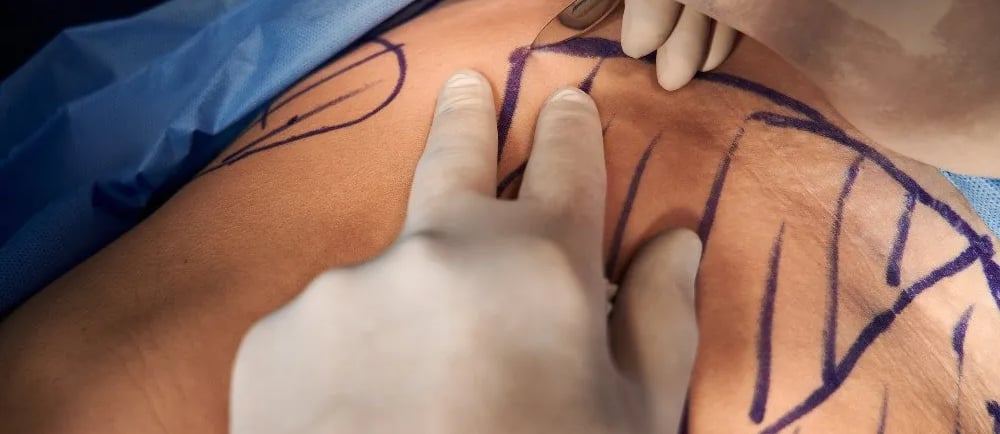
Post-Operative Manual Support - Enhancing Physical Ease and Recovery After Cosmetic Surgery
To complement the results achieved through aesthetic procedures, an increasing number of individuals incorporate Post-Operative Manual Support (TOP) into their recovery plans. Tailored manual care is often integrated into post-care routines following cosmetic and reconstructive procedures—from tummy tucks (abdominoplasty) and liposuction to facial procedures.
Beginning gentle manual support within the initial recovery weeks helps the body navigate its natural healing phase, supporting comfort and mobility when it matters most.
Phase 1: Supporting the Lymphatic System & Easing Fluid Congestion
During the early stages of post-operative recovery, manual care focuses primarily on gentle fluid management. Surgical procedures can temporarily interrupt local lymphatic pathways, particularly following body contouring procedures where underlying tissues undergo significant structural adjustment.
When local fluid movement slows down, temporary fluid accumulation, tissue swelling, and localized tenderness can occur.
How Early Manual Support Helps:
Gentle Fluid Dynamics: Rather than deep muscle manipulation, light, specialized manual techniques encourage natural fluid movement, helping to ease post-surgical swelling and localized bruising.
Reducing Local Strain: Promoting efficient fluid clearance helps maintain tissue softness and reduces uncomfortable pressure within the recovery area.
Comfort & Ease: Gentle, rhythmic contact calms local nerve sensitivity and supports overall physical relaxation.
Phase 2: Tissue Mobility & Preventing Restrictive Adhesions
As initial swelling subsides, post-operative manual techniques transition toward supporting the deeper tissue layers—including the dermis, hypodermis, and subcutaneous fascia.
Enhancing Local Circulation: Specialized manual pressure supports healthy blood flow to delicate, recovering tissues.
Promoting Fascial Flexibility: Targeted techniques help prevent persistent tightness, tissue hardening, or uneven fascial restrictions in the treatment area.
Supporting Postural Balance: Easing secondary tension in the spine, hips, or shoulders caused by protective post-surgical posture.
Phase 3: Scar Tissue Management
Once incision sites are fully closed and the superficial skin layer has intact epithelium, gentle manual care can be applied to the surrounding scar tissue.
Early, appropriate scar management helps:
Improve Tissue Elasticity: Gentle manual mobilization breaks down rigid collagen fibers, increasing the pliability and softness of scar tissue.
Support Functional Mobility: Ensures the scar area glies smoothly over underlying muscle and fascial planes, preventing restrictive pulling during movement.
Enhance Physical Comfort: Reduces local tightness and sensitivity around incision lines.
An Integrated Approach to Your Recovery
Post-operative manual therapy works alongside supportive compression garments and your surgeon’s official aftercare guidelines. By accelerating the clearance of excess fluid, easing tissue tightness, and supporting scar flexibility, targeted manual care helps restore natural mobility and overall physical ease—supporting a smoother, more comfortable recovery journey.
Disclaimer: The content provided in this post/article is for educational and informational purposes only and does not constitute medical advice, diagnosis, or treatment. Any persistent physical symptoms or health concerns should always be evaluated by a qualified medical professional. Integrated manual therapy is offered as a gentle, non-invasive complement to support overall physical comfort, posture, and wellbeing

© 2026 Cecilia Cerasti. All rights reserved.
Operated by Cecilia Cerasti.
Contact Phone: +44 07449 853656
Contact Email: cecilia.cerasti@gmail.com


