

Post-Surgical Manual Therapy & Tissue Recovery
Surgical procedures—whether reconstructive, body contouring, or aesthetic—require a dedicated recovery phase. Surgery naturally disrupts soft tissue layers, superficial lymphatic pathways, and local fascial mobility. Integrated Manual Therapy provides structured, non-invasive post-operative care designed to support the body’s natural healing response, restore tissue elasticity, reduce fluid retention, and optimize comfort and movement throughout recovery.
All post-surgical manual therapy sessions are customized to your specific surgical procedure and timing, working in harmony with your surgeon’s post-operative guidance.
Specialized Area of Care.




Abdominoplasty & Body Contouring.
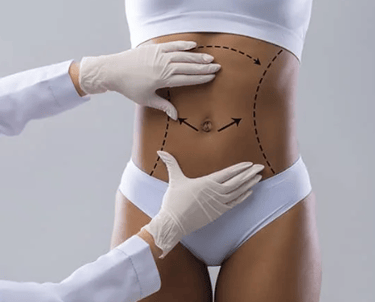
Contouring procedures involve significant tissue repositioning and disruption of superficial lymphatic channels, which can lead to persistent swelling and localized tissue firmness. Clinical Purpose: Facilitates fluid elimination, reduces post-surgical swelling, helps smooth subcutaneous nodularity, and maintains fascial plane sliding to prevent restrictive adhesions. Focus Areas: Abdominal wall, flanks, lower trunk, and surgical incision lines.
Facial Surgery (Facelift & Neck Lift)
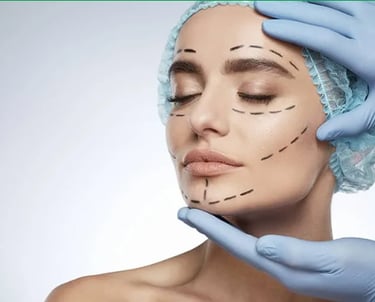
Facial procedures require exceptionally delicate, high-precision manual support to clear post-operative fluid build-up around the neck and jawline while encouraging smooth tissue contouring. Clinical Purpose: Gently stimulates lymphatic return to reduce facial puffiness, eases muscle tension, supports microcirculation for tissue nutrition, and enhances overall post-procedure comfort. Focus Areas: Facial contours, submandibular area, neck, and neck/cervical lymph node chains.
Breast Surgery (Mastopexy & Augmentation)
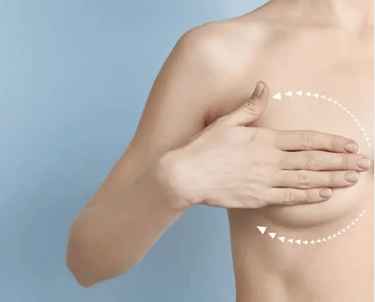
Breast procedures alter local chest wall mechanics and often lead to temporary postural guarding, tightness across the pectoral fascia, and neck or shoulder discomfort. Clinical Purpose: Relieves chest wall tightness, improves tissue mobility around surgical sites, mitigates secondary postural strain, and promotes optimal shoulder girdle mechanics. Focus Areas: Pectoral region, ribcage, mid-back, shoulders, and surgical scars.
Specialized Scar Tissue & Fascial Management
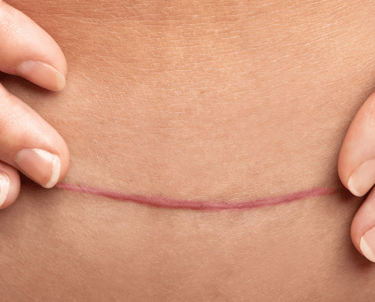
Surgical scars undergo a multi-year remodeling process. Without guided mobility, underlying fascial adhesions can bind tissue layers, causing local stiffness and distant mechanical compensations. Clinical Purpose: Uses gentle myofascial release to guide healthy collagen remodeling, restore smooth tissue sliding, ease secondary postural tension, and support long-term functional recovery.Focus Areas: Immature, hypertrophic, or tethered scar sites, surrounding skin layers, and underlying fascia.
Targeted hands-on treatment works synchronously with your surgical recovery plan. By gently addressing tissue restriction, local circulation, and fascial alignment, manual care helps:
Optimize Fluid Dynamics: Gentle lymphatic and vascular drainage techniques facilitate the natural reabsorption of post-surgical edema and swelling.
Support Scar & Fascial Mobility: Specialized manual techniques (such as myofascial release and scar tissue mobilization) encourage healthy collagen alignment, helping to minimize adhesions and maintain tissue pliability.
Reduce Subcutaneous Fibrosis: Targeted manual pressure helps smooth local tissue nodularity and firming often experienced following liposuction or contouring procedures.
Restore Postural & Mechanical Ease: Targeted adjustments relieve secondary tension in the neck, shoulders, and spine caused by post-operative protective postures and altered movement patterns.
Timelines & Clinical Approach.
Early Recovery Phase (typically 1–2 weeks post-surgery): Focuses on extremely light, non-invasive fluid drainage and gentle relaxation techniques to reduce swelling and ease tension without distressing healing tissues.
Maturation Phase (typically 6–8+ weeks post-surgery): Focuses on targeted scar tissue mobilization, fascial release, and functional movement integration to restore full mobility, alignment, and physical ease.
How Can I Help?

© 2026 Cecilia Cerasti. All rights reserved.
Operated by Cecilia Cerasti.
Contact Phone: +44 07449 853656
Contact Email: cecilia.cerasti@gmail.com


