

Structural Support During Pregnancy and Post-Partum Recovery
Carrying a child and navigating the post-partum period is a time of profound physical, hormonal, and emotional transformation. Supporting your body through these stages with specialized manual therapy helps foster structural balance, mobility, and overall physical ease—nurturing a harmonious connection between body and mind.
Cecilia Cerasti
11/30/20242 min leggere
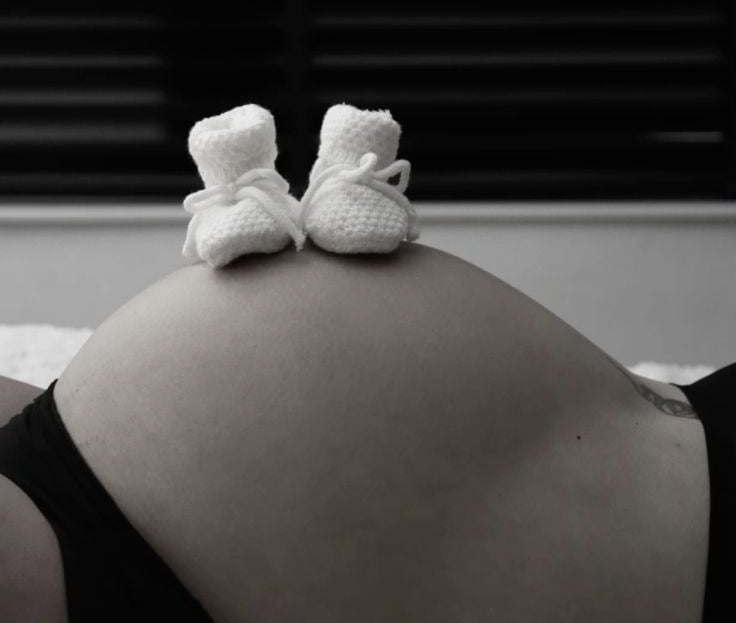
Supporting Body and Mind: Manual Therapy Throughout Pregnancy and Post-Partum Care
Pregnancy is a extraordinary time in a woman’s life, bringing deep transformation alongside profound physical shifts. Over nine months, the body adapts rapidly, making structural and postural adjustments that can be both fascinating and physically demanding.
Increasingly, expectant mothers turn to specialized manual therapy to support physical ease, structural alignment, and overall well-being throughout this remarkable journey.
The Value of Proactive Structural Support
Understanding how the female body adapts to rapid changes is key to maintaining comfort. Assessing and supporting the musculoskeletal framework before and during pregnancy helps ease common physical strains, such as lower back tightness and pelvic discomfort.
While ideal care often begins prior to conception to prepare the body's structural foundation, gentle manual therapy can be seamlessly integrated at any stage of pregnancy.
The Pelvis and Pelvic Floor
Throughout pregnancy, the pelvic floor supports the increasing weight of the developing uterus. A healthy, responsive pelvic floor works alongside optimal alignment of the sacrum and pelvis, ensuring balanced load distribution and supporting both birthing mechanics and post-natal recovery.
Adapting to Your Changing Body
As weight increases and posture shifts forward, pre-existing structural restrictions can become more noticeable.
During pregnancy, elevated hormone levels (such as progesterone and relaxin) increase overall ligamentous laxity. For this reason, manual care employs exceptionally gentle, non-invasive techniques—such as functional release and soft tissue therapy—to support stability without straining sensitive connective tissues.
Biomechanical Dynamics & Diaphragmatic Balance
Harmonious interaction between the thoracic (respiratory) diaphragm and the pelvic diaphragm is essential for comfortable fluid circulation and pressure management. Gentle manual techniques help:
Encourage healthy venous and lymphatic return to ease swelling and pelvic heaviness.
Relieve muscular tightness around the lower spine and hips that can compress surrounding nerves (such as sciatic nerve irritation).
Support optimal posture as your center of gravity moves forward.
Trimester-by-Trimester Care
The First Trimester: Gentle Foundations
During the initial 12 weeks, women often experience subtle systemic changes, back stiffness, or postural headaches. Care during this stage remains focused on light, restorative techniques that encourage structural ease while supporting the body's natural adaptations.
Preparing for Delivery
Throughout the second and third trimesters, regular care focuses on balancing intra-abdominal and intra-thoracic pressures. Aligning the pelvic framework, sacrum, and lumbar spine fosters optimal movement mechanics, preparing both mother and body for a smoother birthing process.
Restoring Balance in the Post-Partum Phase
Post-natal physical care is just as vital as pre-natal support. The post-partum period involves significant structural resetting, alongside new physical demands such as nursing, carrying, and sleep disruption.
Tailored post-natal manual therapy focuses on:
Pelvic & Spine Rebalancing: Easing lingering tension in the pelvic floor, sacrum, and lower back.
Core & Fascial Support: Assisting the recovery of deep abdominal tissue tone and restoring postural alignment.
Scar Tissue Mobility: Gentle scar work following a C-section (once fully healed) to restore local tissue softness and comfort.
A Holistic Partner for Motherhood
Manual therapy offers a non-invasive, holistic way to support women through pregnancy and recovery. By focusing on structural alignment, gentle joint mobility, and muscular release, tailored care empowers mothers to navigate this transformative stage with greater physical ease, confidence, and resilience.
Disclaimer: The content provided in this post/article is for educational and informational purposes only and does not constitute medical advice, diagnosis, or treatment. Any persistent physical symptoms or health concerns should always be evaluated by a qualified medical professional. Integrated manual therapy is offered as a gentle, non-invasive complement to support overall physical comfort, posture, and wellbeing

© 2026 Cecilia Cerasti. All rights reserved.
Operated by Cecilia Cerasti.
Contact Phone: +44 07449 853656
Contact Email: cecilia.cerasti@gmail.com


