

Understanding Pelvic Floor Tension and Recurring Pelvic Discomfort
True pelvic comfort isn't just about single symptoms—it relies on a natural balance between the microbiome, pelvic floor muscle tone, and pelvic alignment.
7/26/20262 min leggere
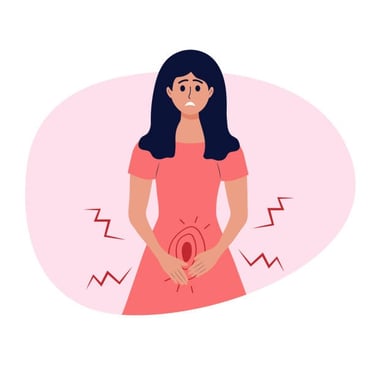
Dealing with recurring pelvic discomfort—such as localized pressure, burning sensations or urinary urgency—can turn into an exhausting cycle.
The common path often involves standard medical check-ups and repeated prescriptions, yet many people still wonder why certain types of discomfort tend to return, especially when routine tests show no active infection.
Looking closer at the underlying biomechanical and physiological factors reveals a much broader picture. Two key elements often discussed in modern health literature include vaginal microbiome balance and pelvic floor muscle tone.
1. The Vaginal Microbiome: A Natural Protective Barrier
Recent scientific research highlights the important role that the vaginal microbiome plays in maintaining local comfort and balance.
A healthy microbiome is typically rich in protective Lactobacilli.
These beneficial bacteria help maintain a natural acidic environment and form a supportive local barrier.
When the balance of these protective flora shifts, the local mucosal environment can become more vulnerable to recurring episodes of irritation.
While conventional medical approaches often rely on antimicrobials to manage acute flare-ups, repeated cycles can sometimes further disrupt this delicate flora, prompting researchers to look more deeply at holistic, systemic factors.
2. The Musculoskeletal Connection: Pelvic Floor Hypertonicity
Beyond microbial factors, clinical observations and scientific literature highlight a strong correlation between muscular tension and pelvic discomfort.
When the muscles of the pelvic floor—such as the obturator internus or periurethral muscles—remain chronically tight or hypertonic, they can create physical symptoms that mimic localized irritation:
Persistent sensations of tightness or burning
A feeling of incomplete bladder emptying or pelvic heaviness
Increased sensitivity in the surrounding tissues
Discomfort that may fluctuate with stress or physical activity
In these cases, the primary driver is often an altered muscular tone or joint restriction within the pelvis, rather than an infection.
Manual Therapy and an Integrated Approach Can Help
Working with a qualified manual therapist focuses on structural ease, mobility, and muscular relaxation rather than treating medical pathologies. A comprehensive, non-invasive approach typically involves:
Manual Therapy Techniques: Releasing muscular tension directly within the pelvic floor, balancing the sacroiliac joints, and easing restrictions in surrounding areas like the psoas and diaphragm.
Improving Biomechanical Balance: Normalizing intra-abdominal pressures and reducing local pelvic congestion to support optimal tissue mobility.
Encouraging Postural and Respiratory Awareness: Supporting the body's natural movement and breathing mechanics, which directly influence perineal tone and overall physical ease.
Towards Lasting Well-being
True, long-term comfort often requires moving beyond temporary fixes and looking at the whole system. By supporting a balanced pelvic framework, encouraging muscular release, and fostering a healthy local environment, the body can better maintain its natural resilience and physical ease.
Disclaimer: The content provided in this post/article is for educational and informational purposes only and does not constitute medical advice, diagnosis, or treatment. Any persistent physical symptoms or health concerns should always be evaluated by a qualified medical professional. Integrated manual therapy is offered as a gentle, non-invasive complement to support overall physical comfort, posture, and wellbeing


© 2026 Cecilia Cerasti. All rights reserved.
Operated by Cecilia Cerasti.
Contact Phone: +44 07449 853656
Contact Email: cecilia.cerasti@gmail.com


